Contact Us
trading@asconglobal.com
Wheat is a grass widely cultivated for its seed, a cereal grain which is a worldwide staple food.
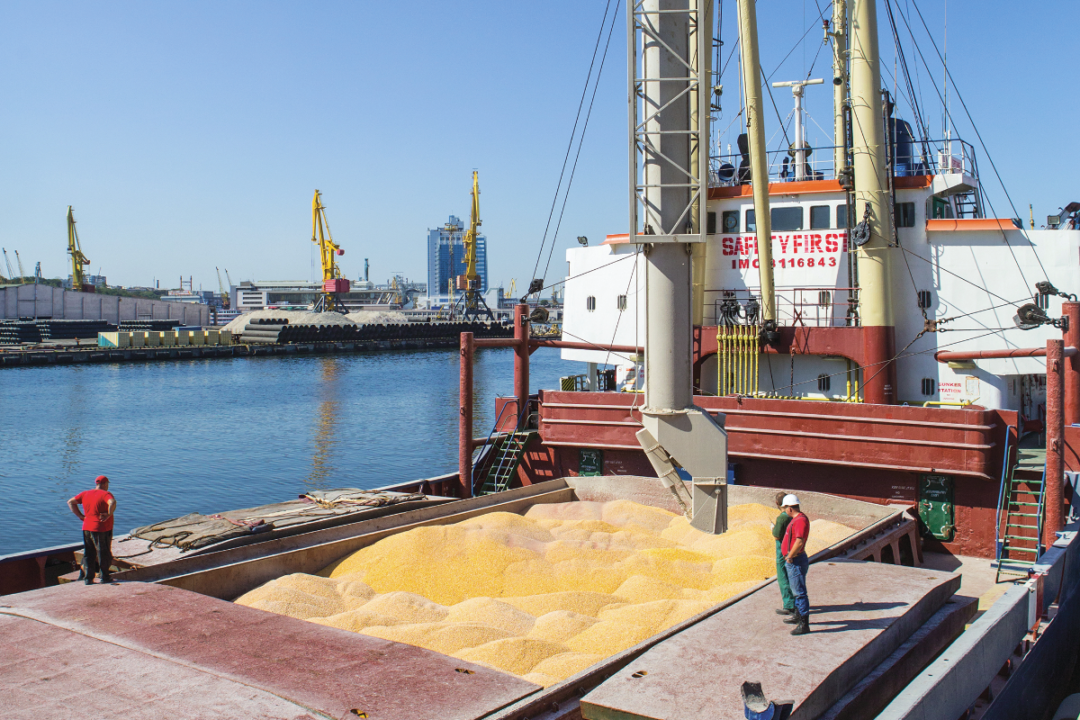
Maize has become a staple food in many parts of the world, with the total production of maize surpassing that of wheat or rice. In addition to being consumed directly by humans (often in the form of masa), maize is also used for corn ethanol, animal feed and other maize products, such as corn starch and corn syrup. The six major types of maize are dent corn, flint corn, pod corn, popcorn, flour corn, and sweet corn. Sugar-rich varieties called sweet corn are usually grown for human consumption as kernels, while field corn varieties are used for animal feed, various corn-based human food uses (including grinding into cornmeal or masa, pressing into corn oil, and fermentation and distillation into alcoholic beverages like bourbon whiskey), and as chemical feedstocks. Maize is also used in making ethanol and other biofuels.
Petroleum coke, abbreviated coke or petcoke, is a final carbon-rich solid material that derives from oil refining, and is one type of the group of fuels referred to as cokes. Petcoke is the coke that, in particular, derives from a final cracking process—a thermo-based chemical engineering process that splits long chain hydrocarbons of petroleum into shorter chains—that takes place in units termed coker units. (Other types of coke are derived from coal.) Stated succinctly, coke is the "carbonization product of high-boiling hydrocarbon fractions obtained in petroleum processing (heavy residues)". Petcoke is also produced in the production of synthetic crude oil (syncrude) from bitumen extracted from Canada’s oil sands and from Venezuela's Orinoco oil sands.
Fuel oil (also known as heavy oil, marine fuel, bunker, furnace oil, or gasoil) is a fraction obtained from petroleum distillation. It includes distillates - the lighter fractions, and residues - the heavier fractions.
The term fuel oil generally includes any liquid fuel that is burned in a furnace or boiler to generate heat, or used in an engine to generate power. However, it doesn't usually include other liquid oils, such as those with a flash point of approximately 42 °C (108 °F), or oils burned in cotton- or wool-wick burners. In a stricter sense, the term fuel oil refers only to the heaviest commercial fuels that crude oil can yield, that is, those fuels heavier than gasoline (petrol) and naphtha.